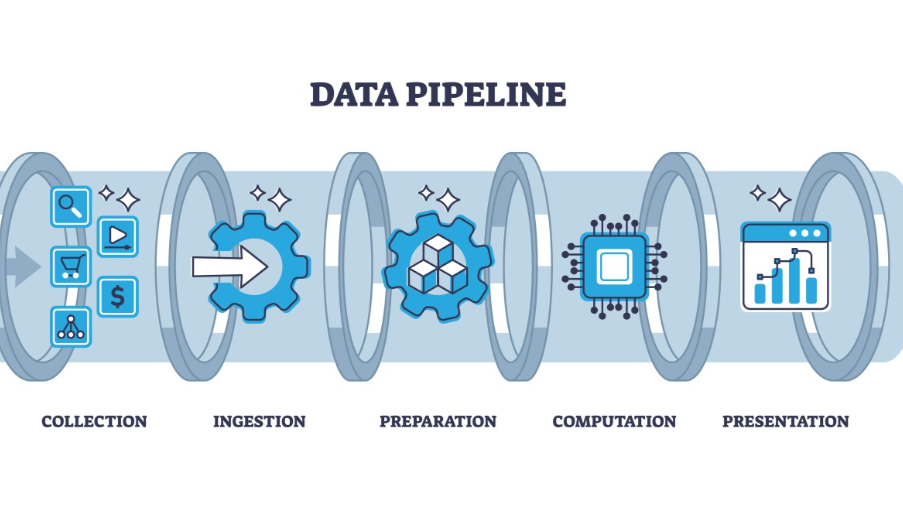
Policy Premium Data Pipeline for a Specialty Insurance Carrier
Project Overview
Each month, finance received a premium file from a commercial policy administration system and needed it delivered to a downstream financial consolidation platform in that platform's required schema, a process that was previously done by hand and left room for errors in formats, identifiers and duplicates. We built a parameter-driven notebook pipeline to replace that manual process end to end.
Challenges
The manual monthly reshaping process was slow and error-prone across formats, identifiers and duplicate records. A source-data review during the build found 19 repeated record IDs in the source system, which needed further analysis before the pipeline could be trusted. Some of the target schema's required columns still need their business rules confirmed with the client.
Our Solution
Built a parameter-driven notebook pipeline that reads the current and prior cumulative premium files, generates a unique deterministic record ID for every row, compares the two files to separate unchanged, net new and data-correction records, maps source columns to the target schema through a configurable mapping file (copy, constant, computed or blank rules), applies the target's format rules for dates, amounts, identifiers and codes, writes a target-schema output file of the net new records plus a results file for review, and runs automated acceptance tests against the enriched data with a run log on every execution.
Results
The pipeline runs end to end on both sample and full files, about 477,000 rows in the full current file. Automated acceptance tests check record ID format and uniqueness, and premium and commission totals, on every run. The source-data review the pipeline enabled caught 19 repeated record IDs in the source system that had gone unnoticed under the manual process, surfacing a real data-quality issue before it reached the downstream platform.
Project Summary
Azure Synapse Analytics (Spark notebooks, PySpark), Python and pandas, Azure Data Lake/Blob Storage (raw, enriched, output, results and log zones), an Excel-based mapping file read at run time plus notebook parameters, Azure DevOps Git (feature branch per developer), Jira for work tracking, Fabric tables for balancing and controls. No payment gateway involved. Compliance and security: managed identity access, role-based access to storage, mandatory HIPAA awareness training for staff, no client data or identifiers ever committed to source control.

Schedule Your Appointment
We are here to help you with experts, Mon - Fri: 09.00am - 10.00 pm PKT